
Running a WooCommerce store means you have a constant obsession over trying to increase sales & revenue.
But today, I want to address a severe misconception that you might be having, or at least most growing WooCommerce stores have. (It’s great if you don’t.)
The Misconception: You must increase traffic to grow your revenue.
This is actually what most online stores believe, but it is not entirely correct.
Over the last few years, I’ve seen several experts asking stores to double down on paid Ads and other acquisition campaigns, mainly focused on getting visitors. They tend to teach you “More visitors means more orders = more revenue and profit.”
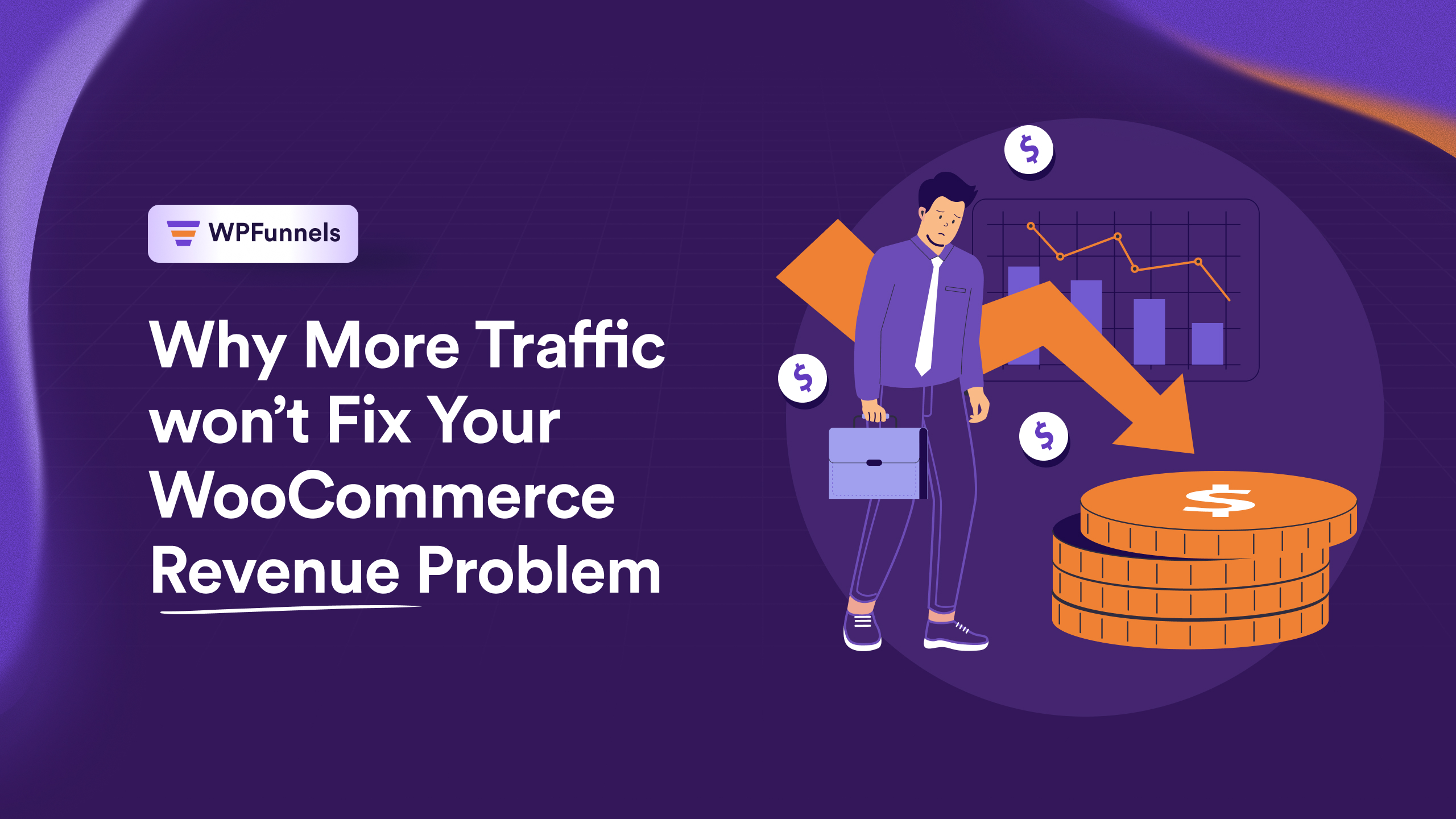
But here’s the reality. Increasing revenue doesn’t always require more website traffic.
You can, in fact increase revenue focusing on other factors such as conversion rate or average order value.
On top of that, you’d be surprised to know that, more traffic that gets more orders doesn’t necessarily mean you are making more profit.
Confusing?
Well, let’s dig a bit deeper on this to help you understand this better.
Don’t Blindly Run After Traffic If Your Revenue Is Low… Here’s Why
In simple terms, 3 things influence how much your store earns:
- How many people visit your store (Traffic)
- How many of those visitors actually buy (Conversion Rate)
- How much each customer spends per order (Average Order Value)
And the total revenue is simply the result of all of these times each other.
Revenue = Traffic × Conversion Rate × Average Order Value (AOV)
So, yes, “Traffic” is one of the key revenue levers. And you are probably thinking, “Then what’s wrong with focusing on traffic?”
Here’s the thing. If you compared the three, when you focus on growing your traffic, you’ll need more investment and more efforts.
Let me explain.
To increase traffic, you have to make news investments, whether it’s on Paid Ads, SEO, or some other sort of marketing.
For an instance, if you’ve spent $100 to get 50k visitors, and if you want to double that traffic, you have to spend $100 more.
So you are not just doubling down on traffic, you are also doubling down on expenses.
On top of that, there’s no guarantee the revenue will grow on the same scale.
Three years ago, a friend of mine wanted to increase his revenue from about $4k to $10k a month. At the time, he had 4k monthly visitors, with 1% conversion rate and $60 AOV.
He thought he could double the revenue by doubling down on traffic growth, so he made the following investments:
- Hired 5 new content writers
- Added an additional content editor
- Hired a new SEO specialist
- Doubled ad spend
Result: He successfully doubled his traffic to 8k. However, his revenue only increased to about 5.6k (i.e. around 40% growth).
When you focus on traffic, it’s actually a bargain. You can never guarantee that the traffic you’re bringing in will always place orders, right?
If you are not an expert in the field, then it’s possible that many people you bring in may not be the right target audience.
Now, if we assume for a second that you did bring all the right target audiences, it doesn’t necessarily mean that they’ll surely place orders. There are other websites that offer similar solutions, i.e., you have competition.
In short, even if you increase traffic, you could still end up with lower number of orders or revenue.
So, Why Do Most Experts Suggest Traffic Growth? Are They Wrong?
Well, they’re not entirely wrong. What they’re NOT doing is giving you the whole picture.
You see, if you are a brand new store and you don’t have enough traffic, then there is no one to convert or sell to. At this point, there no value in focusing on average order value or conversion rate.
So, as a new online shop, you have to focus on traffic. There’s no negotiations there.
But if you are a growing store with some traction (maybe 500 monthly traffic and 5-10 orders per month), then that’s a different story.
When you’re having some traction that you can sustain with, you focus on average order value to maximize that amount you earn per customer.
So from 10 customers, if you’re earning $1,000, you could focus on average order value to increase the $1,000 to $1,200 from that same 10 customers.
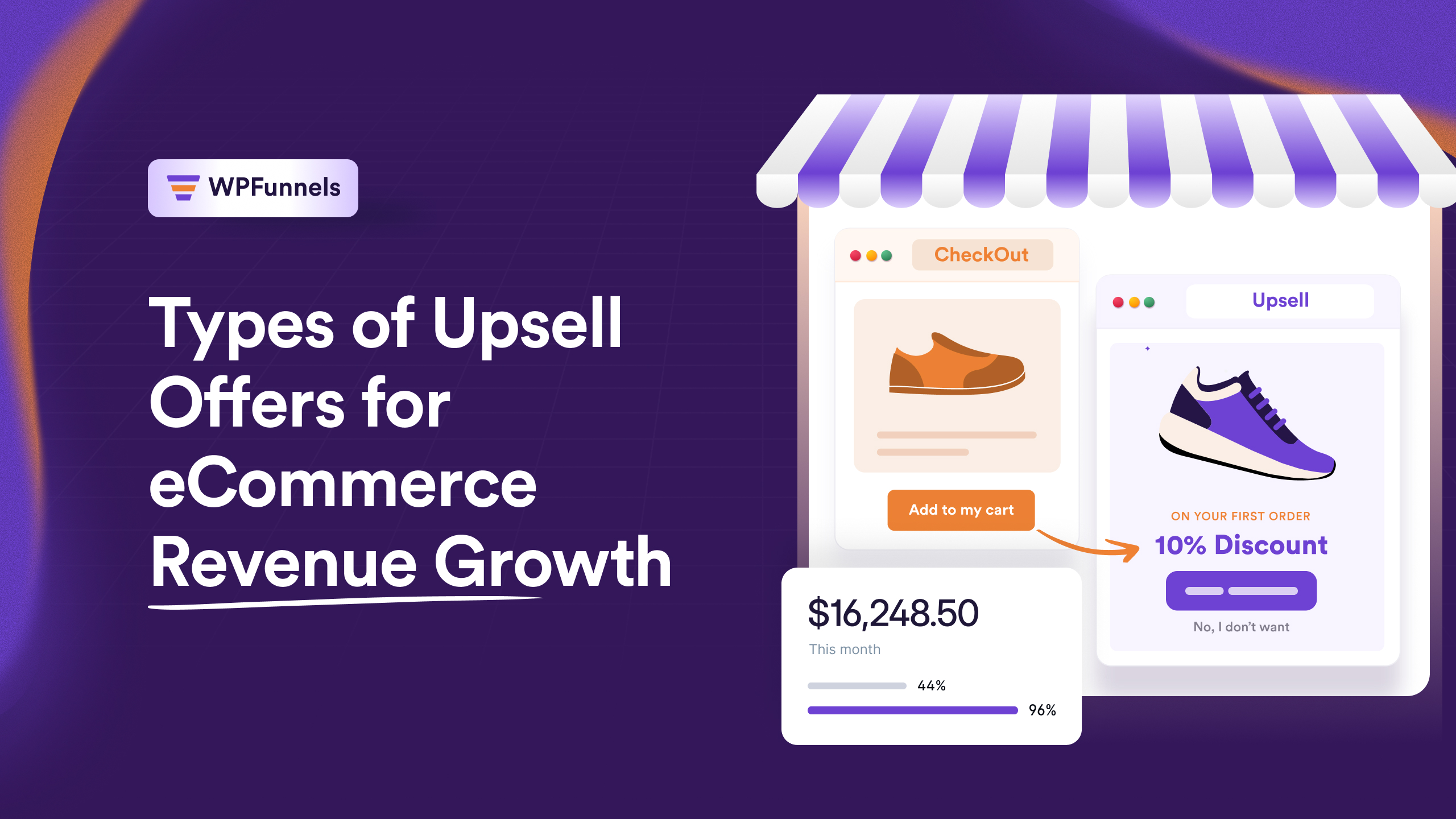
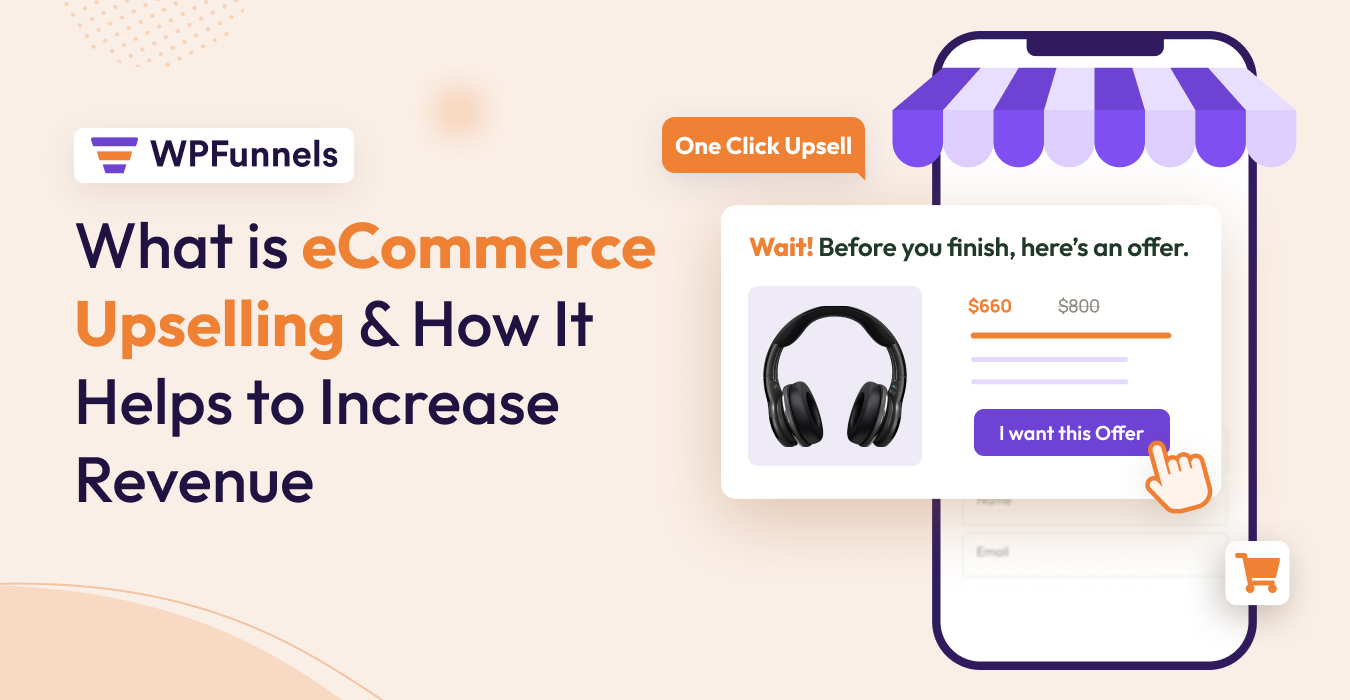
Here, you will need to use tactics like order bumps on checkout page, free shipping on target amount spent, one-click upsell offers after checkout, etc.

Next, you focus on conversion rate.
Instead of getting 10 customers, you focus on increasing it to 15 customers.
You need to fix areas such as convincing product descriptions, smooth checkout experience, better value propositions, etc.
And finally, once you have these in place – you’re converting more customers, you’re getting higher average order value – now, you can focus on increasing your traffic which will have a ripple effect in increasing your overall revenue.
In short,
- No traffic? Focus on getting visitors first.
- You already have traffic, but low sales? Optimize conversions and average order value first.
- Once your store performs well? Then scale traffic to grow revenue faster.
When the experts are talking about “traffic growth,” they’re trying to talk to everyone. For beginners that’s the first step.
You will notice, most experts start with traffic growth, but then they try to transition you into other guides where they teach you about conversion rate and average order value.
They simply do not tell you this secret or this hidden part where you need to decide when you should focus on traffic and when you should not.
Then What To Prioritize First If Not Traffic? Let’s Find Out
For any business, the ideal scenario is focusing on something that has high impact on revenue, of low cost, and requires low effort.
Let’s do this 3-fold comparison between Traffic growth, conversion rate optimization, and AOV growth in terms of these 3 criteria.
| Factor | Traffic Growth | Conversion Rate Optimization | Increase Average Order Value |
|---|---|---|---|
| Activity | Paid Ads, SEO (Articles, Landing Pages), PR Campaigns, etc. | Copywriting, A/B Testing, checkout optimization, page design optimization, etc. | Order bumps, upsells, more spending targets for discounts, etc. |
| Impact On Revenue | Medium | High | Very High |
| Cost | High | Medium | Low |
| Effort | High | Medium | Low |
As per this analysis, the most logical area to prioritize first would be increasing AOV. (But remember, it’s only after you have some constant traffic.)
Let’s quickly referring back to the story I shared earlier about my friend who only got 40% revenue growth with double the traffic.
It turns out, he wasn’t doing anything wrong with SEO. But his website had a low conversion rate, high drop offs, and low average order value.
Meaning, no matter how much he would spend in traffic, the results would still be low.
So, the bottom line. You should first focus on fixing the leaky bucket before you pour more water into it. Or else, you will lose revenue opportunities and eventually end up losing out on profits.
Doesn’t More Orders Mean More Profit? WRONG!
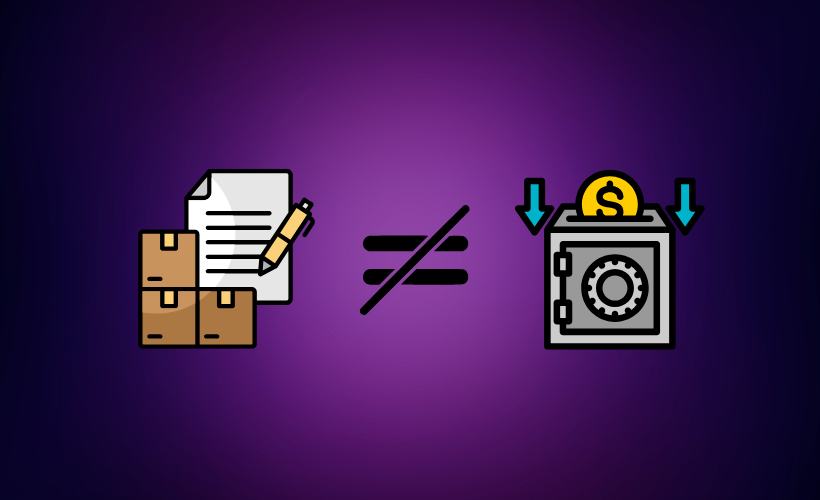
If you are part of the “small-and-medium sized businesses” (SMBs) group, then it is crucial for you to stay aware about profit margins. You don’t have the luxury of running expensive experiments which could kill your overall profit.
That said, you should be careful about investing in conversion metrics or CRO. If not managed properly, you could end up losing more than what you earn.
I’ve seem many store owners running aggressive Paid Ads for conversions. And many also heavily invest in CRO to get more number of orders.
But after running the numbers, they found out that they actually earned less profit compared to the overall revenue earned, because the’ve invested extra on acquisition.
On another note, you will find many online stores running discounts and celebrating huge number of orders. But, when you give discounts, you are actually cutting down the amount from your profits. So, getting 5 times more orders will get you more revenue, but the profit margin will be much lower than usually.
To Conclude. No… More number of orders doesn’t mean more profits.
You will only see higher profits, if you have proper AOV growth tactics in place. That way, you not only get more orders, you also earn more from the buyers (with less acquisition cost and more overall revenue earned.)
[Action Required] Your Immediate Next Steps
Now, you have 3 important steps to take.
1. Find out if you have a leaky bucket, i.e., if you are loosing revenue on the table.
There are many areas you could be losing buyers, and you may not have even thought about it. For example, a poor checkout page design can lead to higher abandoned carts. Or, not sending automated follow up emails can make you loose crucial repeat buyers.
But don’t worry. Here’s a quick guide to help you identify those hidden leaks that, if you fix, can significantly grow your revenue without more traffic or revenue.
Read the guide here:
2. Implement quick AOV growth tactics that can naturally grow your revenue without extra efforts.
In WooCommerce, you can implement easy ways to increase your Average Order Value, even without spending a dime extra.
- Make quick bump offers on the checkout page.
(Offer a pair of socks when buying a pair of shoes.)
- Set up one-click upsell offers after checkout.
(Offer a bundle of books after ordering a single book.)
- Give higher spending targets to claim a small discount.
(Spend $100 to get 10% discount.)
To learn about more tactics to increase AOV, read this guide.
3. Check if you are ready to invest in traffic
Analyze if you have a industry standard conversion rate and smart tactics in place to increase average order value.
If yes, then it’s time to double down on traffic. If no, then improve those first.
** FAQs **
1. Why am I getting visitors but very few sales?
Many visitors leave because your store isn’t guiding them to buy. Poor product pages or unclear calls-to-action can frustrate visitors. Improving descriptions, images, and checkout flow can help turn more traffic into purchases.
2. How can I increase the value of each order?
Low Average Order Value (AOV) limits revenue, even if people buy. Adding order bumps, product bundles, or post-purchase upsells encourages customers to spend more. This way, you make each purchase more valuable without needing more visitors.
3. Why do customers abandon their carts?
Customers often leave when checkout is long, confusing, or has hidden fees. Simplifying the checkout flow and showing costs upfront reduces drop-offs. Clear instructions and fast payment options make it easier for visitors to complete purchases.
4. Can slow WooCommerce sites affect revenue?
Yes, slow sites frustrate visitors and lower conversion rates. Issues like site weight or poor performance can cause potential buyers to leave. Improving WooCommerce speed and optimizing pages keeps customers engaged and more likely to buy.
5. How do I turn existing visitors into repeat buyers?
Many stores focus only on new traffic and miss revenue opportunities. Using email campaigns, loyalty programs, and post-purchase offers encourages customers to return. This helps you generate more revenue from the visitors you already have.
Let’s Find Out If Your WooCommerce Store Is Leaking Revenue
You definitely want an online store where you constant grow your revenue at minimal cost and low effort. So take the first step and learn where WooCommerce stores usually lose revenue. If you can fix these, you will already have a steady path towards more revenue and profits.