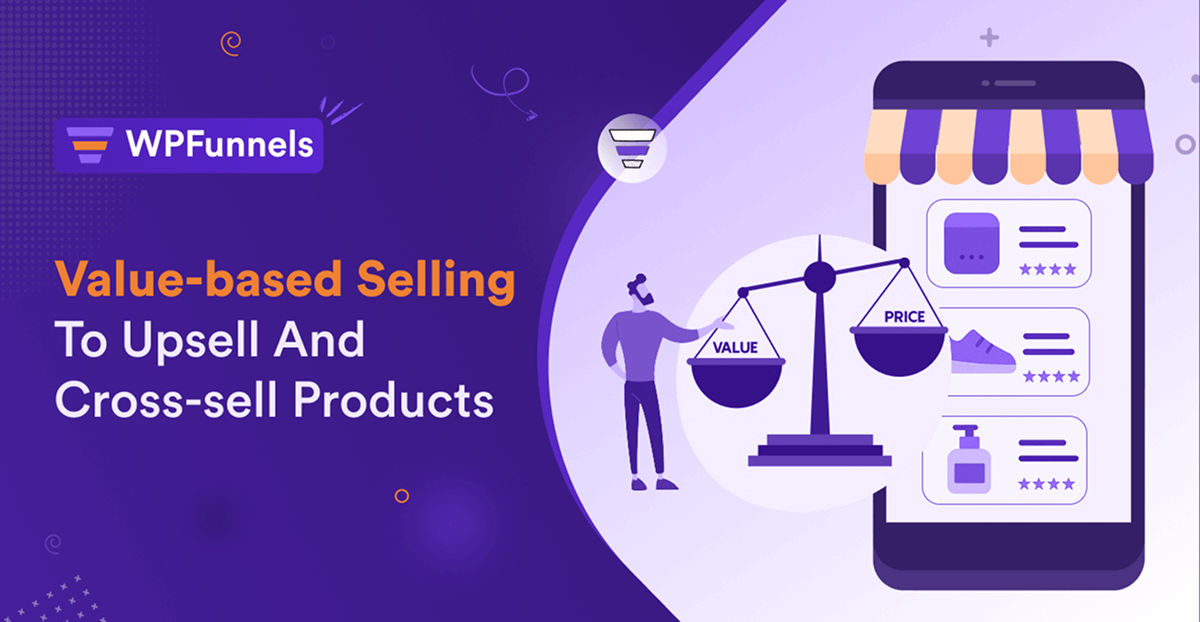

Selling with WooCommerce isn’t just about adding plugins or getting more traffic. You probably already use upsells and cross-sells, but the results aren’t always consistent.
From what I’ve seen, the problem isn’t the offer itself; it’s whether it connects with what your customer wants.
Some offers get accepted right away, while others are ignored, even if everything else looks fine.
The key is showing how your upsells and cross-sells help your customer reach their goal. When you do that, your results become more predictable and profitable.
That’s what value-based selling is all about. In this guide, I’ll show you how to design offers that support your customers’ goals and increase your average order value.
So let’s get started,
TL;DR – Value-Based Selling for WooCommerce
- Value-based selling means focusing on what your customer wants, not just what your product does.
- Upsells work when they make the main purchase even better.
- Cross-sells work when they add extra value or solve a problem for the customer.
- Make the difference between basic and premium options clear so that customers can choose upgrades more easily.
- When your offers match your customer’s goals, your average order value grows steadily.
- Final Verdict: Use one-click upsell to give more value instantly and make it easy for customers to say yes.
What is Value-Based Selling in WooCommerce?
Value-based selling means focusing on the benefit your customer gets, not just the product itself. Your goal is to show how your product or service helps the customer achieve something important.
For example:
- A customer buys a laptop to work smoothly and avoid tech issues. Value-based selling highlights how the laptop makes their work easier and more reliable, not just its processor speed or color.
- A buyer wants a fitness course to get in shape faster. Value-based selling shows how the course helps them reach their fitness goals efficiently, instead of listing lesson topics.
In short, value-based selling works by clearly showing the outcome or improvement your product provides, so customers understand why it matters to them.
Key Components of Value-Based Selling

Value-based selling isn’t just a mindset; it has clear parts that guide your offers. They help you create upsells that actually help your customers, not just raise the price.
When you understand these parts, guesswork turns into smart decisions. You can design offers in your WooCommerce store that deliver real value every time
1. Clear Understanding of the Customer’s Primary Goal
Start by asking yourself what your customer truly wants from their purchase. Every product or service solves a problem or helps reach a result.
For example, a gamer buying a mouse is not just looking at style; they want better control and precision. Understanding this makes your value-based selling feel meaningful.
If you don’t know the goal, additional offers can feel random or irrelevant. Once you understand it, designing offers that add real value becomes much easier.
2. Direct Alignment Between the Offer and That Goal
Your extra offer should directly help the customer achieve their goal. If it doesn’t, it will feel like a pushy or unnecessary upsell.
For example, a web design student benefits from personal feedback sessions that help improve their skills faster. This aligns perfectly with the main purchase.
When your offer naturally fits the purchase, it feels like a logical next step. Customers are more likely to accept it because it supports what they’re already trying to accomplish.
3. Distinct and Justifiable Value Differences
Customers need to see why the premium option is worth the extra cost. If the difference is unclear, most will default to the cheaper option.
For example, a WordPress theme: basic = design files, premium = guided setup + priority support. This clearly shows why the higher price helps the customer save time and avoid frustration.
When the value difference is obvious, the decision feels easy and confident. If it’s confusing, people hesitate or ignore the offer entirely.
4. Reduction of Post-Purchase Friction

Extra offers should make life easier for the customer after their purchase. Solve small problems before they turn into frustrations.
For example, if the setup is tricky, offering a setup service helps the customer get started quickly and confidently. It reduces stress and effort.
When friction is minimized, your offers feel helpful instead of pushy. Customers see immediate value and are more likely to engage with additional options.
5. Reduction of Perceived Risk
Even when customers like a product, they may hesitate if they fear issues or wasted money. Offers that reduce this risk feel safe and trustworthy.
For example, including extended warranties or onboarding support reassures customers that their purchase is protected.
When customers feel secure, they’re more willing to accept additional offers or upgrades. Sometimes reducing risk is even more powerful than adding features.
6. Outcome-Driven Communication
Explain how the offer improves results, not just what’s included. Customers respond to benefits, not lists of features.
For example, instead of saying “Includes advanced tools,” say “These tools save you hours and make work easier.” It shows the real value.
Outcome-focused messaging ensures the customer understands why the offer matters. Features alone rarely convince anyone to spend extra money.
7. Make Offers Easy to Accept
Even a well-designed offer can fail if the customer has to jump through hoops to get it. Simplify the process.
For example, a one-click upsell lets customers say yes instantly without entering payment details again.
The easier it is to accept, the more likely customers will see and act on the value-based selling you’re providing. Conveniences reinforce the benefit.
A Simple Way to Evaluate Any Upsell or Cross-sell

Before adding or changing any offer, pause and test it with three questions. This is not a framework. It is a simple clarity check.
- First, what is the customer trying to accomplish?
Look at why they are buying in the first place. Reviews, support tickets, and common questions usually reveal the real goal.
If the offer does not make the original purchase more complete, it likely needs adjustment.
- Second, what might slow them down?
Think about where customers struggle after purchase. Do they get confused during setup? Do they lack guidance? If your offer removes a common obstacle, it becomes meaningful.
- Third, what could improve or protect their result?
Some customers want better performance. Others want peace of mind. Extended support, optimization services, or guided onboarding can strengthen confidence and protect the investment.
When an offer passes these three checks, it becomes easier for customers to justify saying yes.
Applying This Concept to Upsells
Now let’s see how this idea works when you design an upgrade in your store. If an upgrade only adds features but does not improve the result, most customers hesitate.
For example, suppose someone is buying a basic wireless mouse for smoother work or gaming. If the premium version only changes the color or packaging, the upgrade feels unnecessary.
But if the premium mouse offers higher precision, adjustable sensitivity, and better grip, the benefit becomes clear.
Now the upgrade directly improves performance, so paying more feels reasonable.
Here is another simple example. Suppose you sell laptops for students or remote workers. Their goal is to work smoothly without interruptions.
If your upgrade includes extended warranty and setup support, it protects their work and reduces stress. That makes the higher price easier to accept because it improves reliability.
In both cases, the upgrade works because it clearly improves the original result. That is the core idea of value-based selling.
When customers easily see how the upgrade improves their outcome, saying yes feels natural. And once your upgrades are clear, you can apply the same thinking when designing cross-sells.
Applying This Concept to Cross-sells
Once your upgrades are clear, designing cross-sells becomes much easier. You are no longer improving the main product itself. You are improving the experience of using it.
Think about what your customer needs right after they decide to buy. They already want the main product, so a good cross-sell simply helps them use it better, protect it, or get better results.
For example, suppose you sell high-quality headphones. Your customer wants great sound and a smooth listening experience. Offering a protective case helps them keep the headphones safe and last longer.
Here is another example. Suppose you sell adjustable dumbbells for home workouts. A structured training guide helps your customer know how to use the equipment and get better results.
A strong cross-sell often solves something your customer would eventually buy anyway. You are simply showing it at the moment when it is most helpful.
If you cannot explain the benefit of a cross-sell in one clear sentence, it may not be the right fit. The offer should feel simple and obvious.
When your cross-sells feel logical and connected to the purchase, customers see them as helpful suggestions. Over time, that alignment helps your store grow more consistently.
How Value-Based Selling Improves Sales Performance

When your offers clearly match what your customers want, your sales start to improve. It’s not about adding more upsells or raising prices. It’s about making each offer feel useful and relevant.
Over time, that clarity changes how your customers respond and how your revenue grows.
1. More Upsells Get Accepted
When an upgrade clearly improves the main purchase, your customers decide faster. They don’t stop to question why it exists.
For example, if a buyer picks a basic laptop, offering a warranty upgrade that protects their work feels logical and easy to accept.
Acceptance rates improve naturally because the benefit is obvious. You are not persuading harder, just reducing confusion.
2. Customers Feel Supported, Not Pressured
When your offers strengthen the main purchase, customers feel guided instead of sold to. Extra offers feel like helpful advice.
For example, selling headphones with an optional carrying case helps them protect their investment, it feels supportive, not salesy.
This reduces your buyer’s remorse and builds trust. Customers feel smart about their choices, not pushed into spending more.
3. Average Order Value Grows Consistently
When customers clearly see value in an upgrade, spending more feels reasonable. They invest in better outcomes, not because of pressure.
For example, a student buying a laptop will accept an extended setup and support package because it reduces stress and ensures smooth use.
Better alignment leads to higher acceptance rates and stronger average order value. Revenue grows steadily without aggressive tactics.
4. You Compete on Results, Not Features
Most stores compete on features or price alone. You stand out by helping customers achieve results effectively.
For example, selling a mouse that improves precision for gamers is more compelling than just offering it in a different color.
Your offers focus on outcomes, not just what’s in the box. This strengthens your positioning and builds long-term loyalty.
Preparing to Design the Right Type of Upsell
At this point, the idea should feel clearer. Instead of asking, “What else can you sell?” you start asking, “What will actually improve this purchase?”
This shift helps you see whether an extra offer truly adds value or simply increases the price.
But having the right idea is not enough. You also need the right structure.
Not every upsell works the same way. Some upgrades improve performance, some make the product easier to use, and others reduce risk.
The best upsell often depends on the product you sell and where the customer is in the buying journey.
Now that you know how to align offers with customer goals, the next step is understanding which upsell types work best.
In the next guide, you will learn the main types of upsell offers in WooCommerce and when to use each one for better results.
Conclusion
Value-based selling starts with one simple idea. Focus on what your customer wants to achieve, not just what your product offers.
When you understand your customer’s goal, your offers become clearer and more helpful. Customers can easily see how your product helps them get the result they want.
This also makes your additional offers feel natural instead of pushy. Your customers feel supported because each offer helps them get better results.
Once this alignment is clear, suggesting an upgrade becomes much easier. Use a simple one-click upsell to offer more value instantly and help your customers improve their results without extra steps.
** FAQs **
Why are my customers ignoring extra offers in my WooCommerce store?
Your customers ignore extra offers when they cannot clearly see how the offer helps them. If the benefit is not obvious, they focus on finishing the purchase. When you show how the offer improves their result, they are more likely to accept it.
How can I know if my additional offer truly adds value?
Ask yourself one simple question: Does this offer help your customer reach their goal faster or more easily? If you struggle to explain the benefit in one clear sentence, the value may not be strong enough. When the outcome is clear, your customers feel more confident saying yes.
Why do my customers choose the cheaper option instead of upgrading?
This usually happens when the difference between options is not clear to your customer. If they do not quickly see why the upgrade is better, they choose the lower price. When you clearly show the extra value, upgrading feels more reasonable.
When should I show an upgrade offer in my store?
You should show the offer when your customer has already decided to buy. At this moment, they trust your product and are seeking the best results. A simple one-click upsell works well here because it lets them upgrade instantly.
How can I increase my average order value without hurting conversions?
Focus on helping your customer succeed with their purchase. When your offers clearly support their goal, they feel helpful instead of pushy. This makes it easier for your customers to accept offers and increases your average order value naturally.