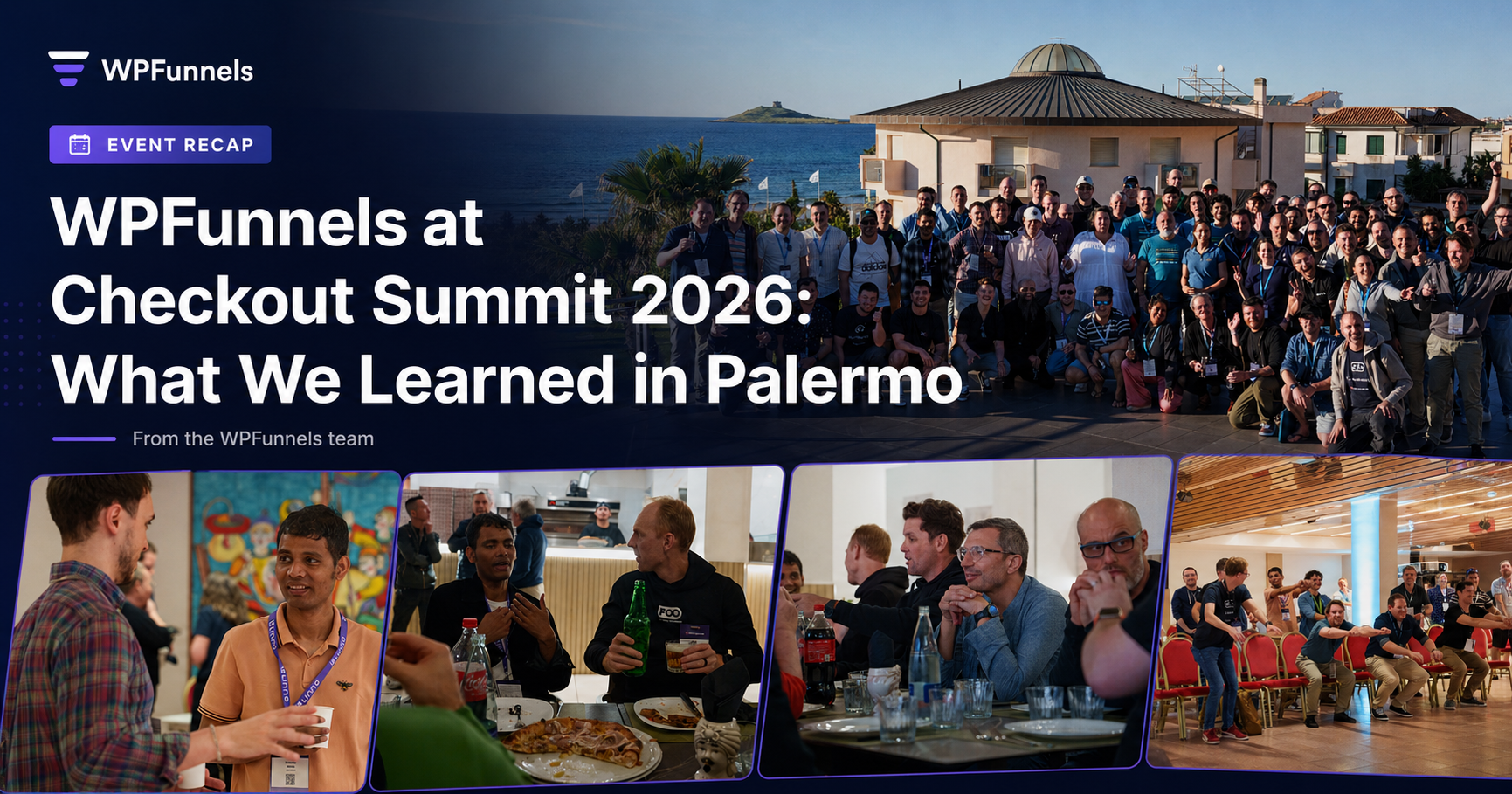

I just got back from a two-day event at Palermo, where I met 100 of the WooCommerce ecosystem’s sharpest people.
Just before my trip, I wrote about why we were sponsoring the Checkout Summit. At that time, I mentioned that I was going to seek answers to three specific questions. But, it looks like I came back with answers to a few different ones. 😅
That’s the sign of a good conference.
The Vibe Was Nothing Like A Conference
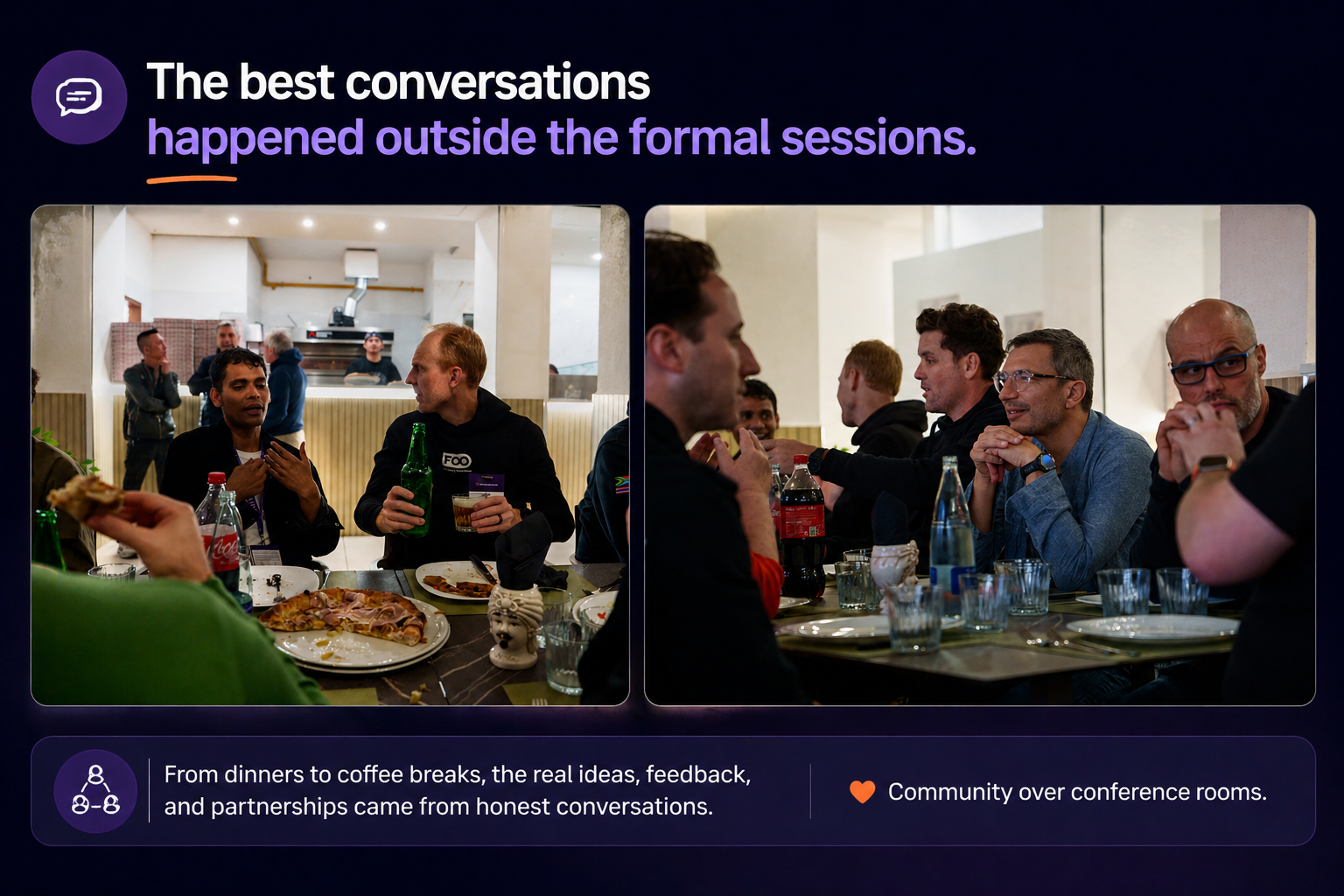
First, the setting was genius.
The Checkout Summit didn’t feel like a tech event. It felt like a long dinner with people who happen to build things for WooCommerce.
The pace was relaxed. Nobody was rushing between sessions. There was no expo floor energy.
I felt that it was just a room full of people genuinely curious about each other’s problems.
Rodolfo Melogli did a wonderful job in building something rare here — an event where you can actually finish a conversation. As a matter of fact, we were able to discuss several additional topics. (Not something you usually get at most conferences.)
The AI Conversation Wasn’t The Main Concern
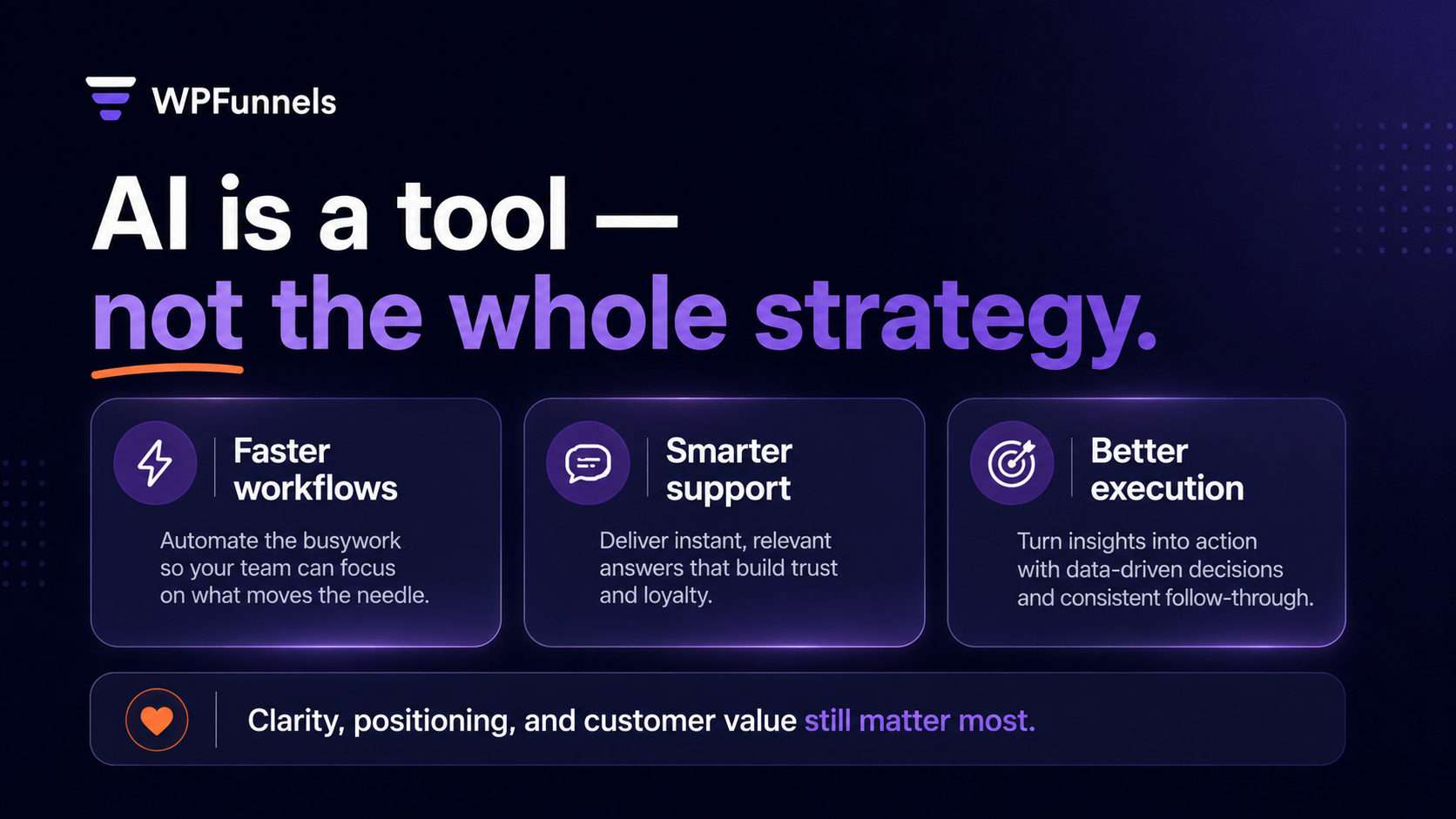
Here’s what surprised me most: in a room full of WooCommerce builders, almost nobody was worried about how AI might change their business.
I went in expecting it to be the dominant topic. Every other tech event I’ve followed this year has been wall-to-wall AI anxiety — which products will get replaced, which workflows will get automated, which business models won’t survive. I expected Checkout Summit to have the same energy.
But..It didn’t. Not even close.
The builders in this room were more focused on the problems right in front of them: checkout conversion, customer experience, building sustainable plugin businesses, and serving clients well.
AI came up occasionally, but as a tool, not a threat. Nobody was panicking about it.
I’m still processing whether that’s a sign of groundedness or a blind spot. Probably a bit of both. 🤔
Either way, it was refreshing to be in a room where the conversation was about craft rather than disruption.
The Ecosystem Is Thriving
This might be the most important thing I took away from Palermo, and I haven’t seen anyone write about it yet.
In multiple separate conversations — with different plugin builders, different business models, different verticals — the same pattern kept coming up:
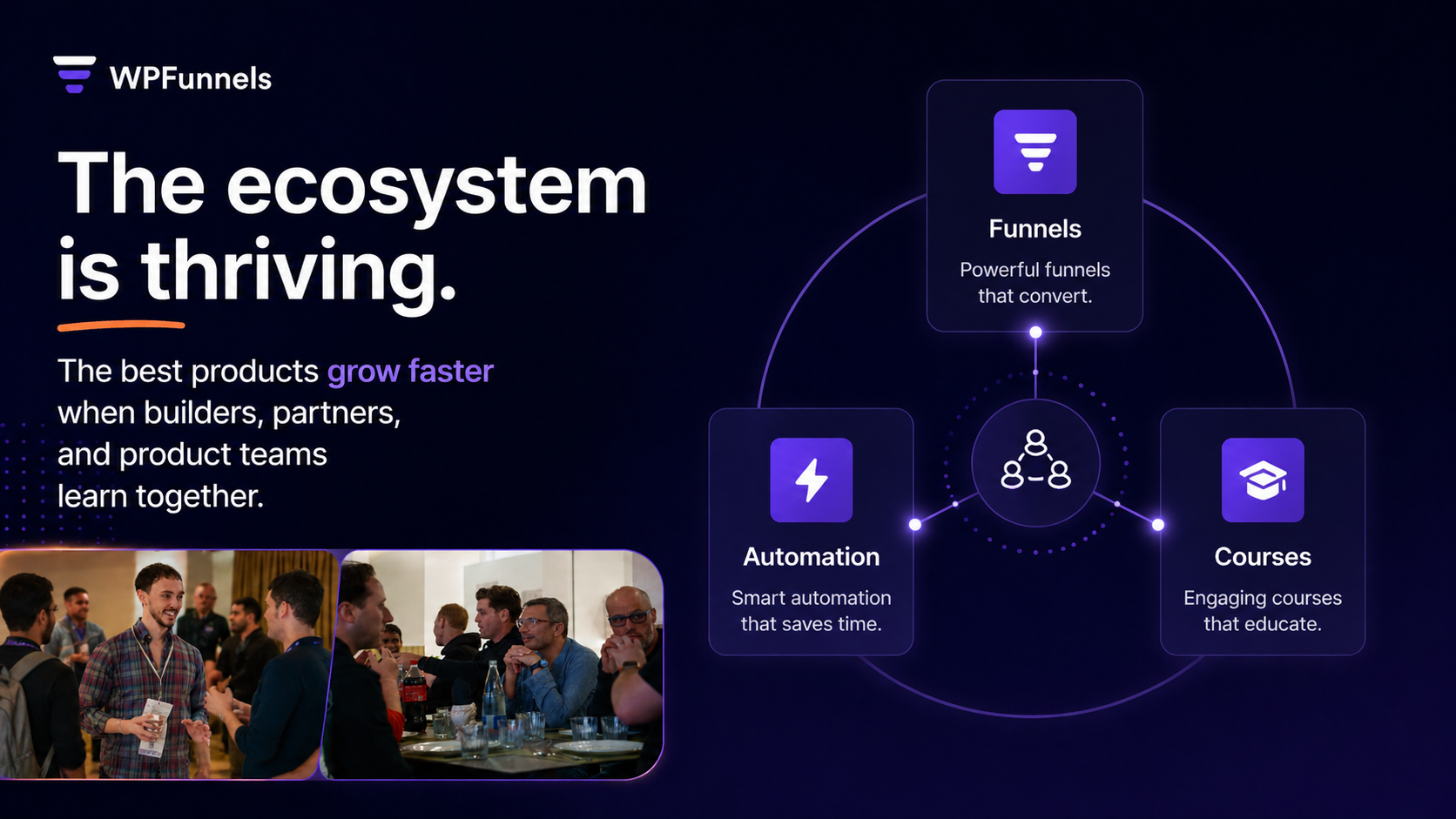
New sales revenue is dropping for standalone plugins. But companies running ecosystems of interconnected products are holding steady.
If you have a single plugin doing only one thing, your growth is slowing down, especially in the case of WordPress plugins. It’s because the WordPress.org marketplace is now extremely crowded, with SEO getting harder, and acquiring customers is becoming even more difficult.
But, if you have multiple products that work together — let’s say a funnel builder that works with an email tool that connects to a CRM — your existing customers buy more from you. So your churn is lower and your revenue base is more resilient.
In fact, multiple builders in the room described the same experience independently.
For me, this hit close to home. At Linno, we run WPFunnels, Mail Mint, Product Feed Manager, Cart Lift, and several other products under one roof. I’ve always believed in the multi-product approach, but hearing it validated by the data other builders are seeing in their own businesses made it concrete.
That said, the WooCommerce plugin market might be entering a phase where standalone products become increasingly difficult to sustain, and the winners will be the teams that build ecosystems. It’s not grand strategy. Rather, it’s just that ecosystem economics simply work better when customer acquisition gets expensive.
If you’re a plugin builder reading this: look at your revenue mix. How much comes from new customers vs. expansion within existing ones? That ratio might be the most important number in your business right now.
The Paid Acquisition Question
Now, there were many topics discussed.
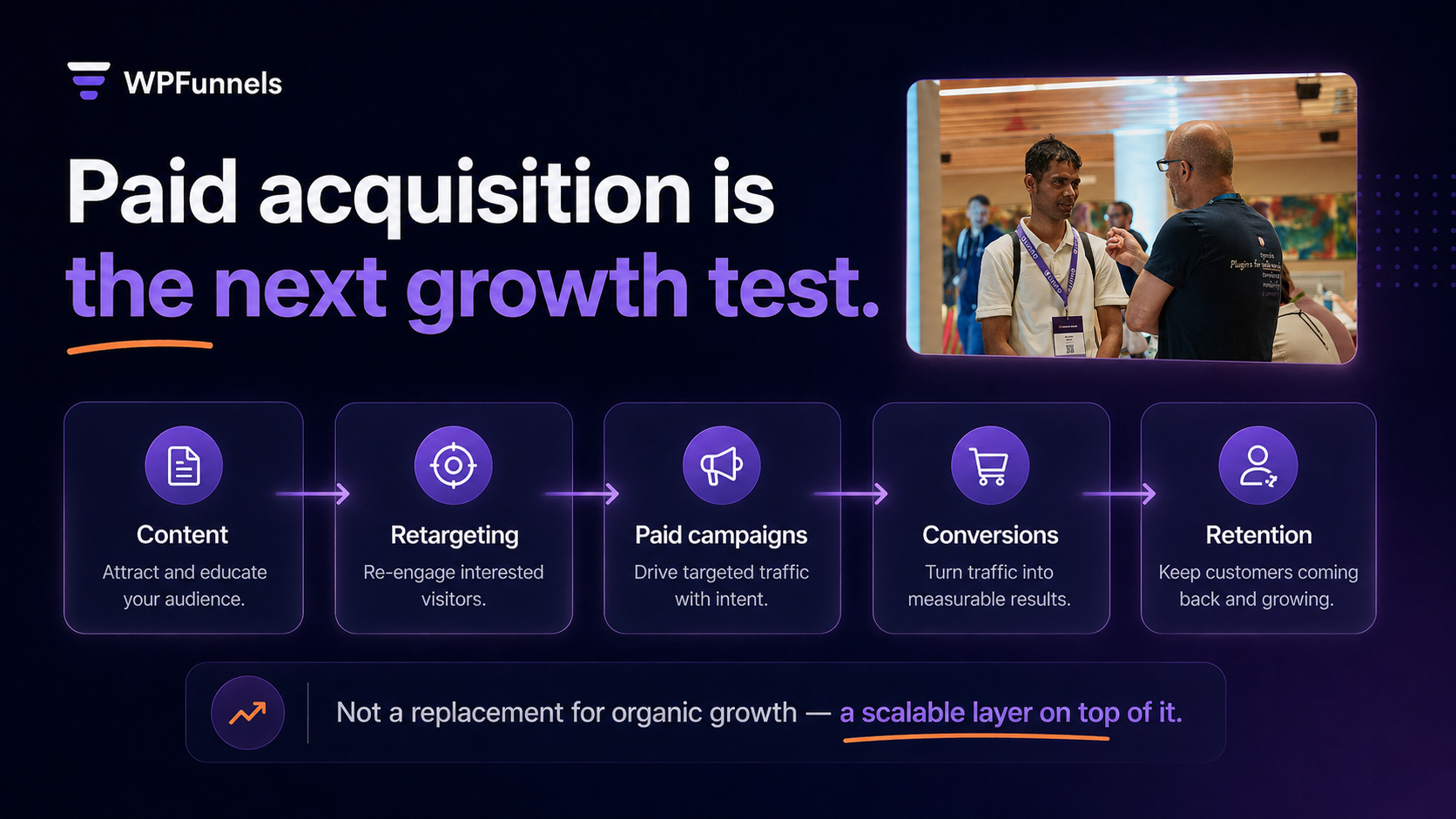
But one conversation that stuck with me the most was with Josh Kohlbach’s session about “paid acquisition” as a growth lever.
In the WordPress plugin world, most of us have grown primarily through organic channels. SEO, content, WordPress.org listings, word of mouth, community presence, etc.
Paid acquisition has always felt like a Shopify-app or SaaS-world strategy, not a WordPress one.
Josh & Colin‘s insights (during the dinner) on paid acquisition made me rethink our priorities. Even though this is not easy to figure out overnight, I believe that in this chaotic distribution era, it will be worth giving it more attention.
At Linno, we’ve run AdRoll retargeting campaigns for WPFunnels and WPVR, and tested Meta ads for WPFunnels. The retargeting has worked well enough that we’ve kept it running for WPVR consistently. But what Josh was talking about was different: Paid ads as a primary acquisition channel, not just a retargeting layer on top of organic.
The more I thought about it afterward, the more I realized that the assumption, “WordPress plugins grow organically only,” might just be a comfort zone we’ve collectively settled into. Our retargeting experiments have shown that the unit economics can work. The question is whether cold-paid acquisition, while reaching people who’ve never heard of WPFunnels, can scale to justify the investment.
I don’t have the answer yet. But it’s no longer a theoretical question. It’s going on the Q3 roadmap as a real experiment with real budget.
If you’re a plugin builder reading this and you’ve gone beyond retargeting into cold paid acquisition, I genuinely want to hear about it.
One Brand, Many Products — or Many Brands?
I had a wide-ranging conversation with Katie Keith from Barn2 that touched on something I think about constantly: the multi-product brand question.
We run WPFunnels, Mail Mint, Product Feed Manager, WPVR, Cart Lift, Creator LMS, and more, all under one roof – Linno. Katie has built Barn2 with a similar multi-plugin portfolio. The question we kept circling was: when does having multiple products under one brand become an advantage, and when does it become confusing?
This conversation forced me to be honest about something I’ve been thinking about for a while:
If I ever got the chance to start over — knowing everything I know now — I would do one of two things:
- Either build one big ecosystem product and go all in on making it dominant.
- Or, if I chose the multi-product route, I would still bring everything under one brand, one website, one unified presence from day one. Not separate brands, websites, or separate marketing efforts pulling in different directions.
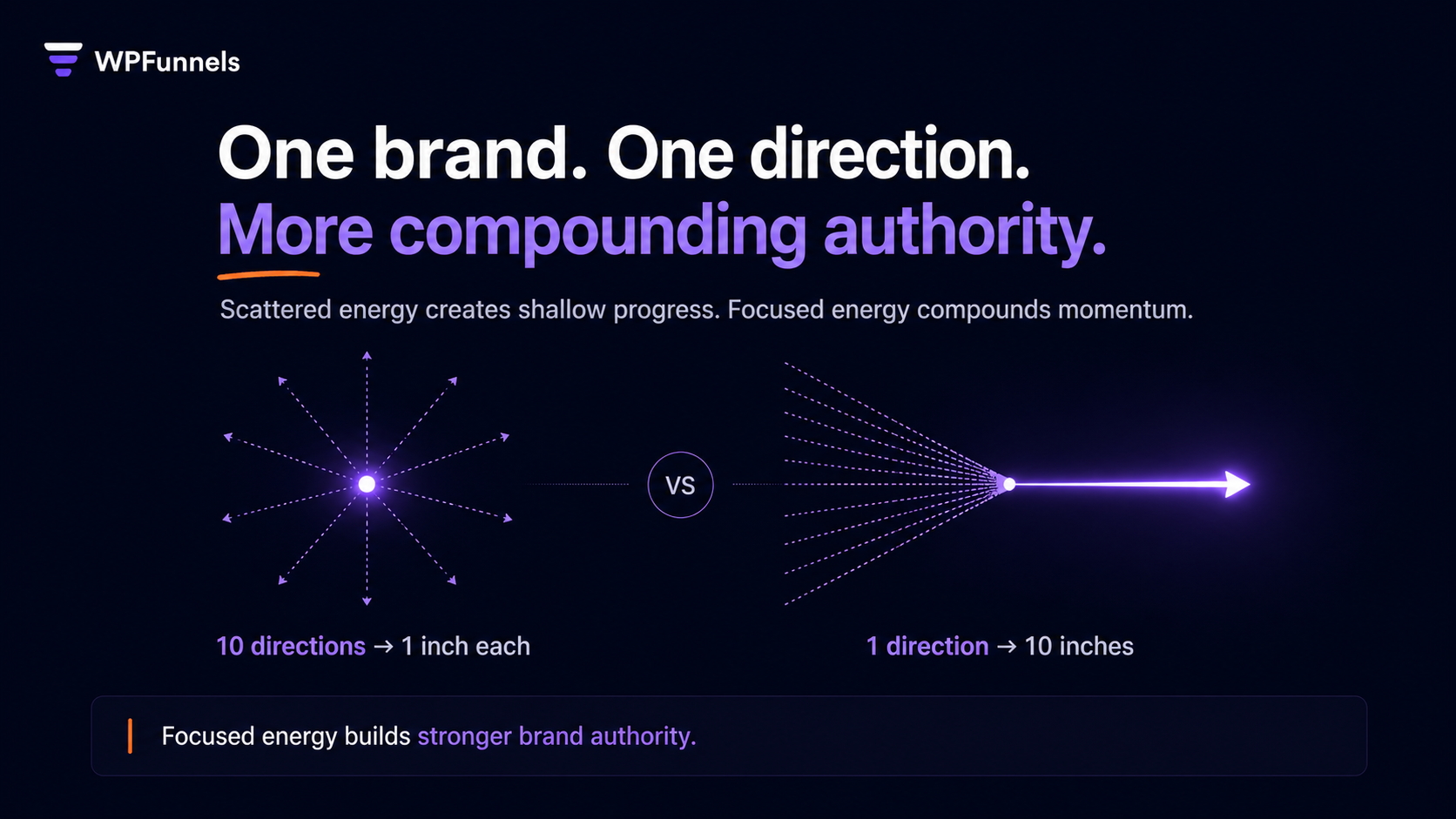
If you head of Essentialism, there Greg McKeown puts it this way: “If you have 10 units of energy, you can broadcast them in 10 different directions and make 1 inch of progress in each. Or you can put all 10 units into one direction and make 10 inches of progress.”
When you spread yourself across multiple brands, each one gets a fraction of your attention, a fraction of your traffic, a fraction of your audience’s trust. The products might be good individually, but the brand energy is diluted. You’re making one inch of progress in five directions instead of ten inches in one.
This connects directly to the ecosystem insight above. If the market is shifting toward ecosystems, then having multiple products under one brand is no longer a question of business convenience; It’s now a strategic advantage. All your content builds authority for one domain… All your customers land in one universe… And all your cross-sells happen naturally because the buyer already trusts the brand they’re in.
But it only works if the products genuinely connect. A random collection of plugins under one logo isn’t an ecosystem. An ecosystem must have a set of tools that are better together than apart — where using WPFunnels makes Mail Mint more valuable, and vice versa. That’s the bar you need to set. And bringing everything under one roof forces you to meet that standard because your customers will immediately see whether the products actually work together or just happen to share a logo.
Human Support vs. AI Support
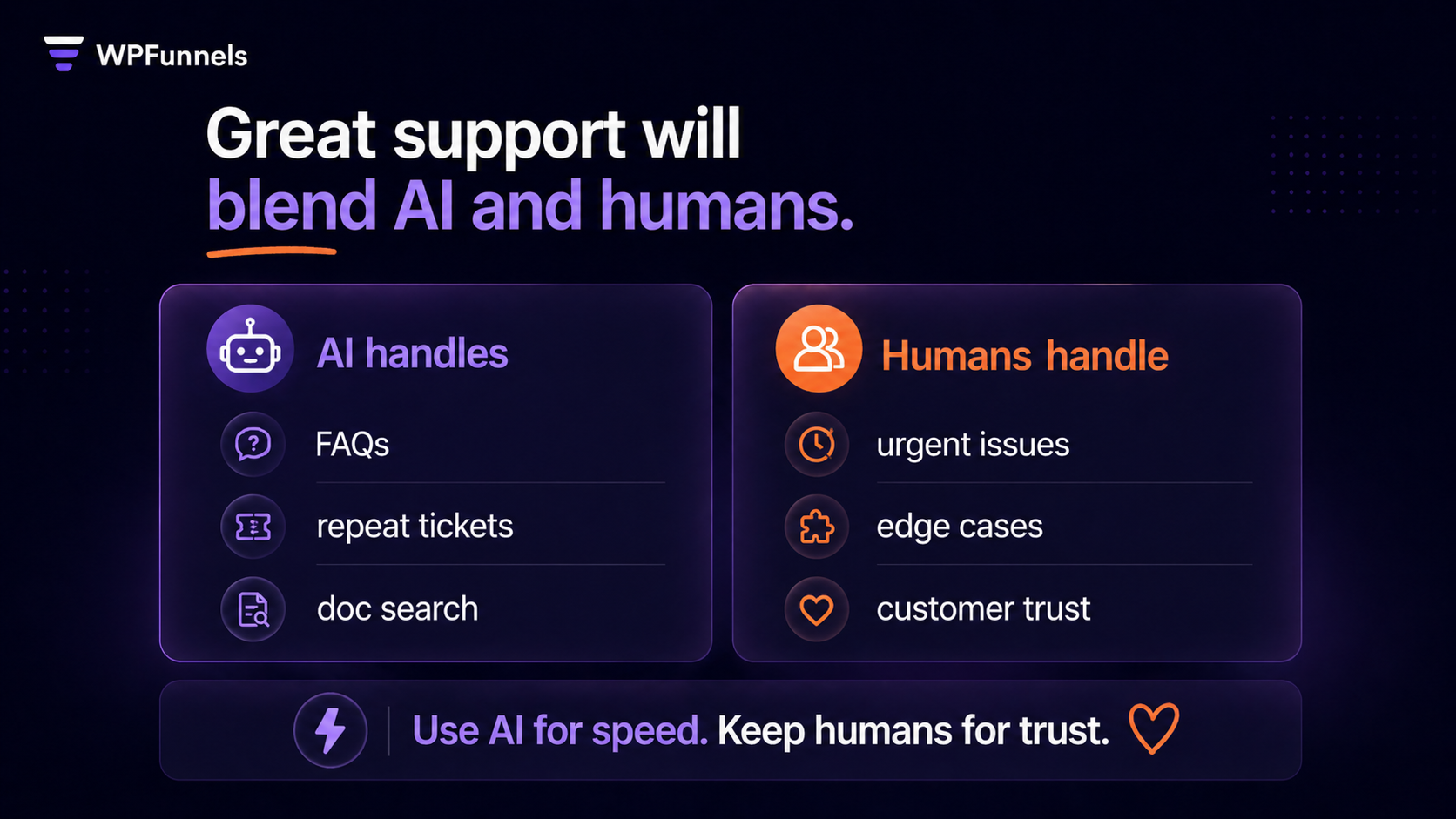
Diego and Colins opened up a conversation that was worth debating: the decision between human-driven customer service and fully AI-driven support.
As plugin builders, we all live with this question. Support is expensive. AI is getting better. But WooCommerce users, especially the merchants who pay for premium plugins, have strong opinions on the matter. They prefer talking to humans when something breaks in their store.
The conversation didn’t resolve neatly. But the nuance was valuable: it’s not a binary choice between “all human” and “all AI.” The real question is which moments in the support journey require a human, and which moments actually benefit from the speed and consistency that only automation can deliver.
What I’m Taking Back To WPFunnels
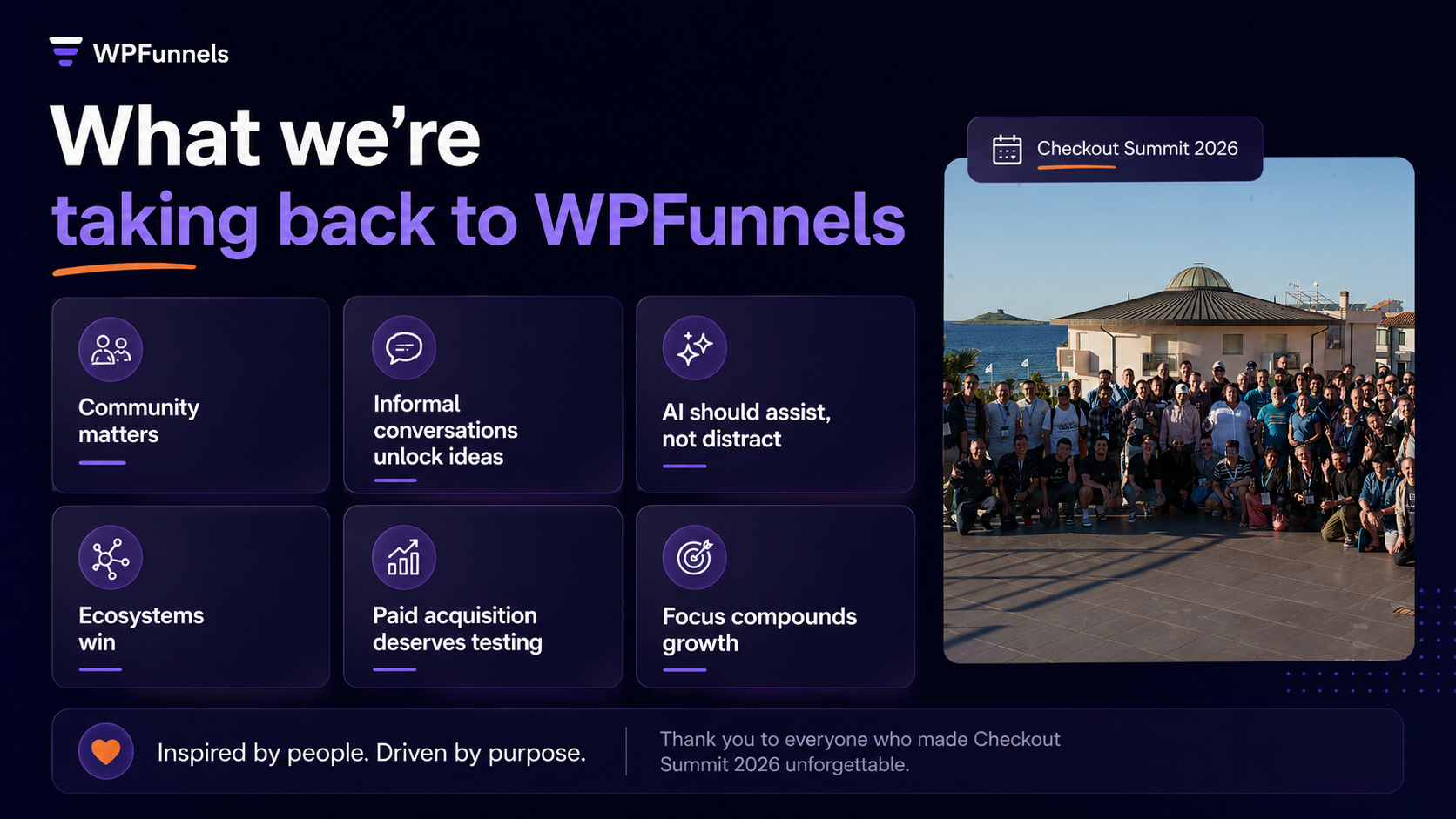
There are roughly six areas where my thinking changed after Palermo:
- The ecosystem model is the future. It’s a pattern multiple builders are seeing in their own numbers. Linno’s multi-product approach might be the only sustainable model in the long run.
- Paid acquisition needs to go beyond retargeting. Our AdRoll and Meta experiments proved that the economics can work. Now the real question: can cold acquisition scale for a WordPress plugin?
- The AI gap might just be a great opportunity, not a threat. If most WooCommerce builders aren’t thinking deeply about AI yet, there’s a window for the ones who can build meaningful advantages with AI before the rest catches up.
- Cross-product integration is the moat. The ecosystem only works if the products actually talk to each other. We’re prioritizing deeper integration between WPFunnels and Mail Mint as the first proof point.
- One brand, one direction, ten inches of progress. The Essentialism principle applies directly to how we structure Linno. Multiple products are fine, but multiple brands are not. We’re consolidating everything under one roof, one site, one story. Every unit of energy goes in one direction.
- Support automation has to be deliberate. The human vs. AI conversation with Diego and Colins is directly relevant to how we’re scaling support at Linno. We’ll be revisiting our approach in May.
Thank You, Rodolfo
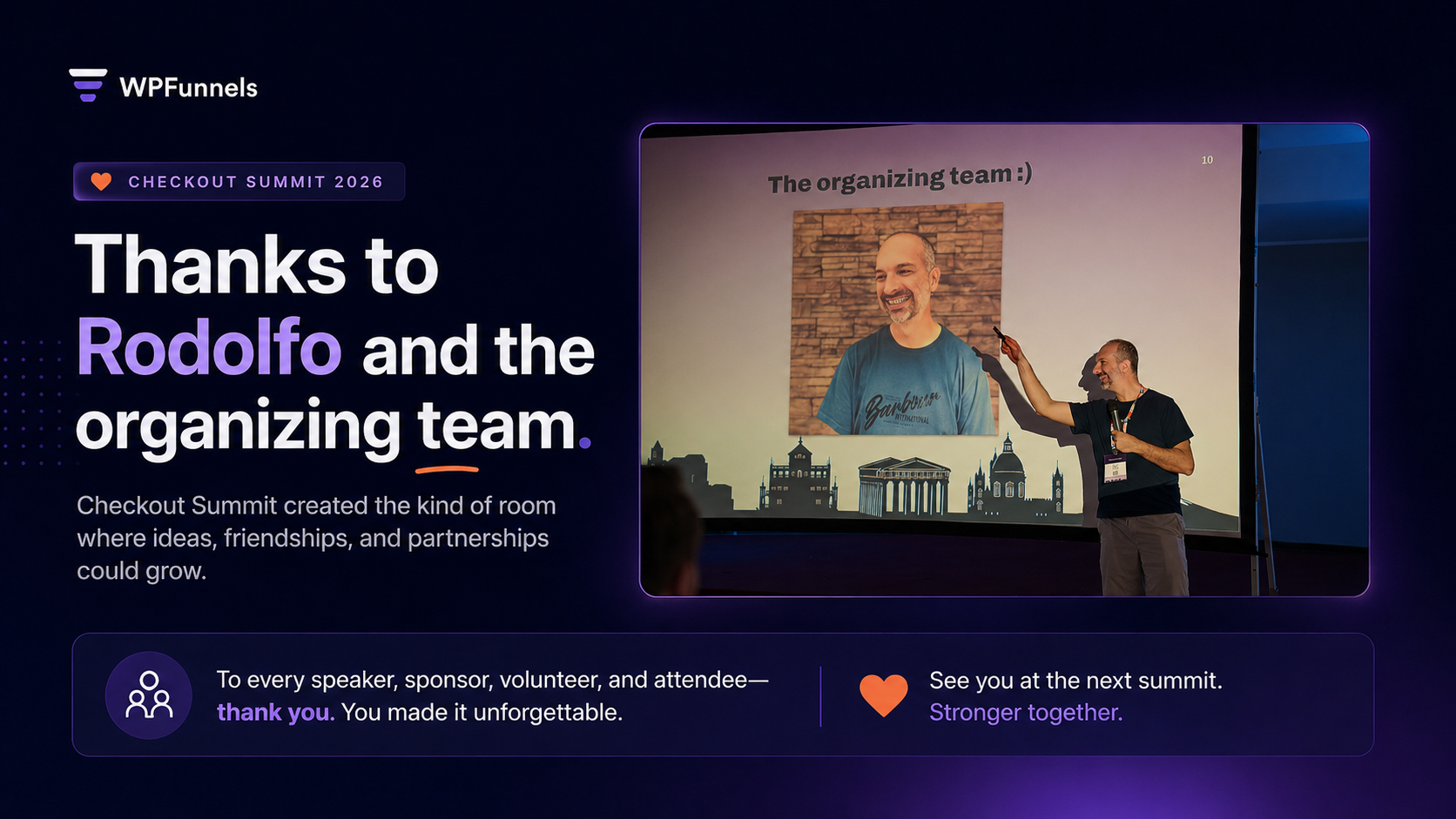
Checkout Summit is proof that a single person with conviction can create something that benefits an entire community. Rodolfo, thank you for building this. The WooCommerce ecosystem is better for it.
See everyone in 2027.